Every formula we develop is checked against FDA and EU requirements from the first draft — so the product you approve is the product you can legally sell.
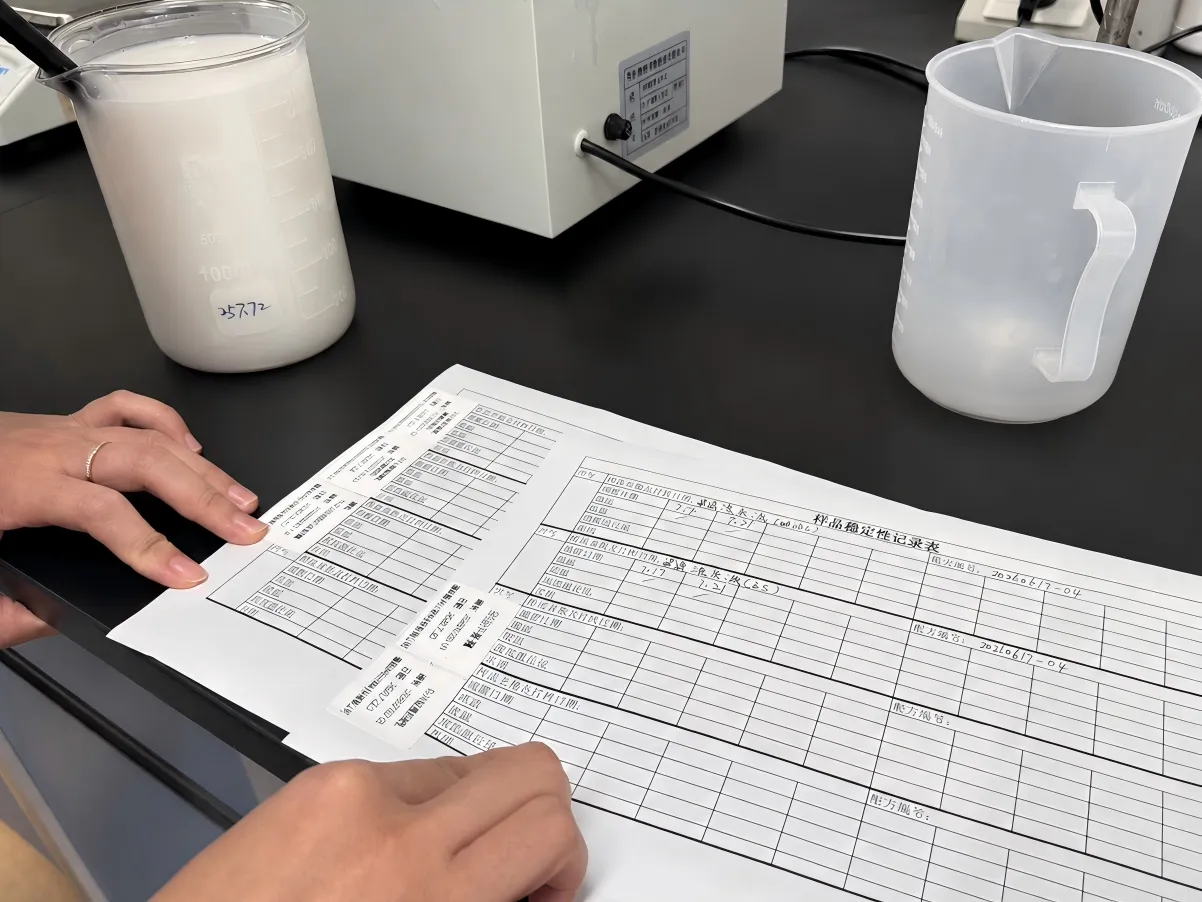
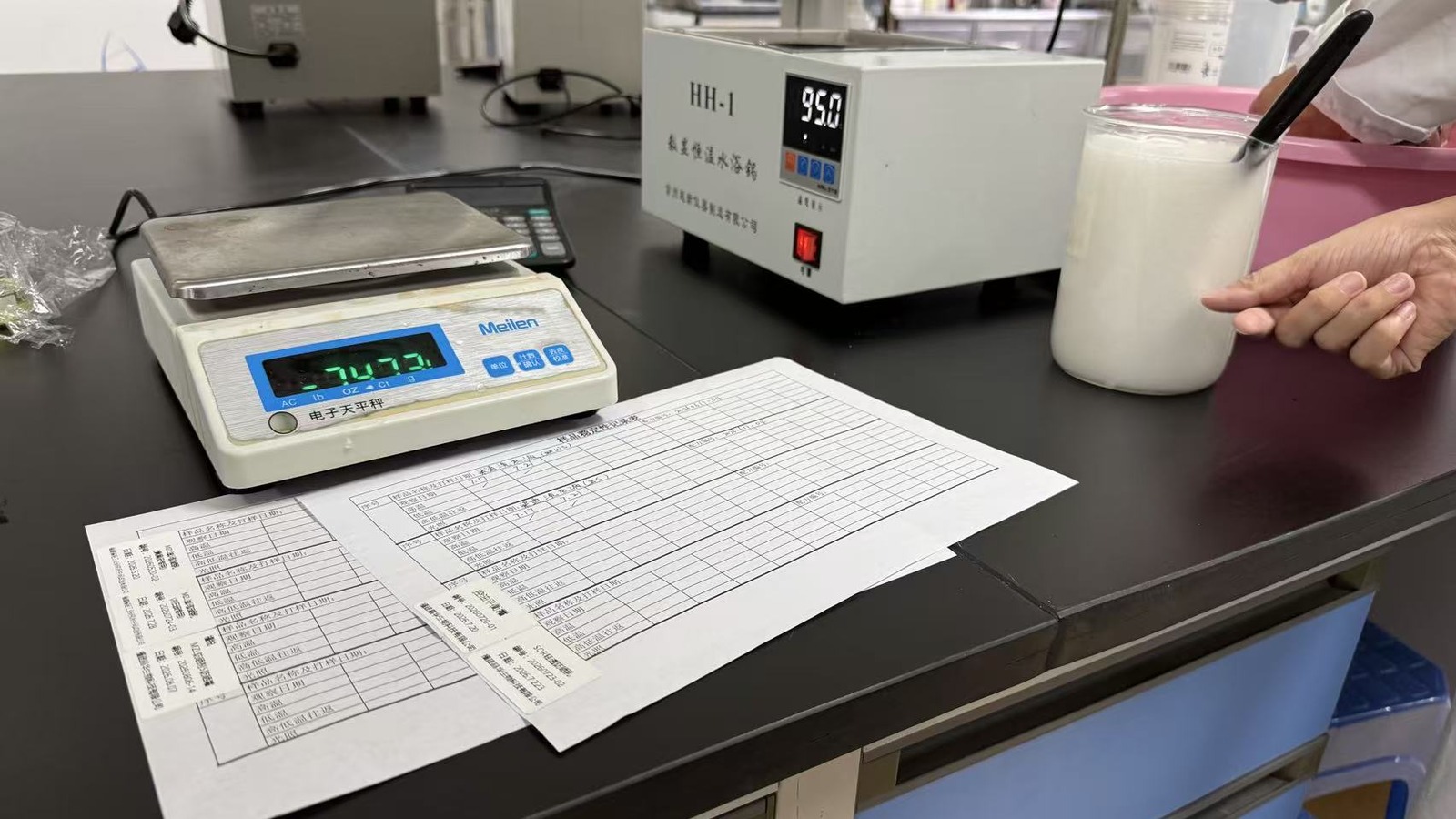
We support compliance throughout the product development process in two key stages.
During formulation, ingredients are reviewed against applicable regulatory requirements and restricted-substance lists for your target market before samples are developed.
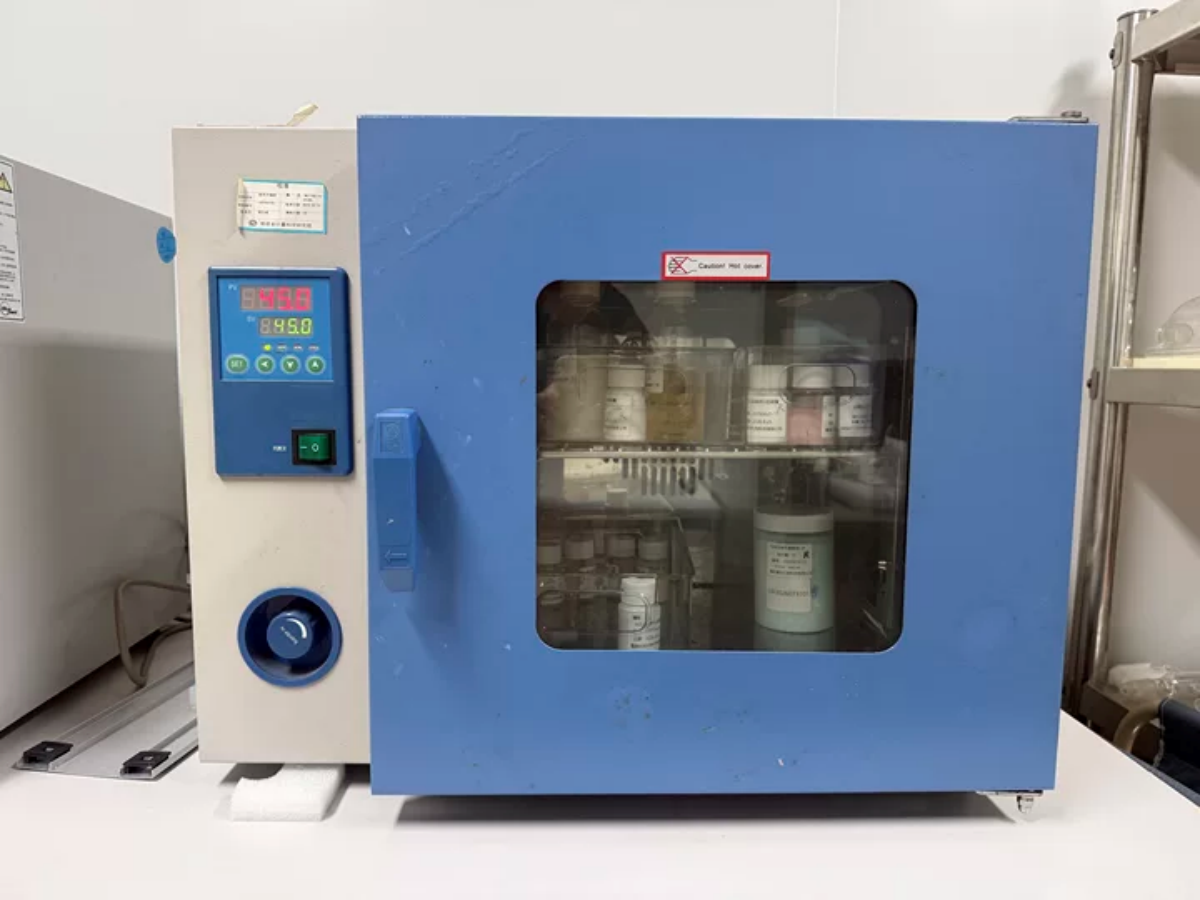
During production, we provide the technical documentation required for market compliance and maintain documented quality control procedures. our production and quality control systems are covered in detail on the Process page.
Market registration and notification are normally completed by the brand owner or responsible person, as required by local regulations. We support this process by providing the necessary technical information and compliance documentation.
.webp)
The same development-stage groundwork applies whether you're targeting the US, the EU, or both — registration is the one step where the two markets diverge.
Reformulating after a sample has shipped adds weeks to a timeline and can force a batch to be scrapped. We screen every formula against target-market restricted-substance lists before the first sample is made.
Brands often discover they're short a batch record or safety data point only when their Responsible Person asks for it. We prepare that documentation alongside development, not after it's requested.
In a cross-border partnership, it's easy for both sides to assume the other has filed the registration. We set out who's responsible for what before a project starts, in writing.
Yes. We can start with your existing formula rather than reformulating from scratch. Before sampling, we review the ingredient list and usage levels against the requirements of your target market and flag restricted ingredients, concentration limits, or other obvious compliance concerns.
If changes are needed, we discuss them with you before making the first sample, with the aim of keeping the original product concept, performance, and cost as close as possible.
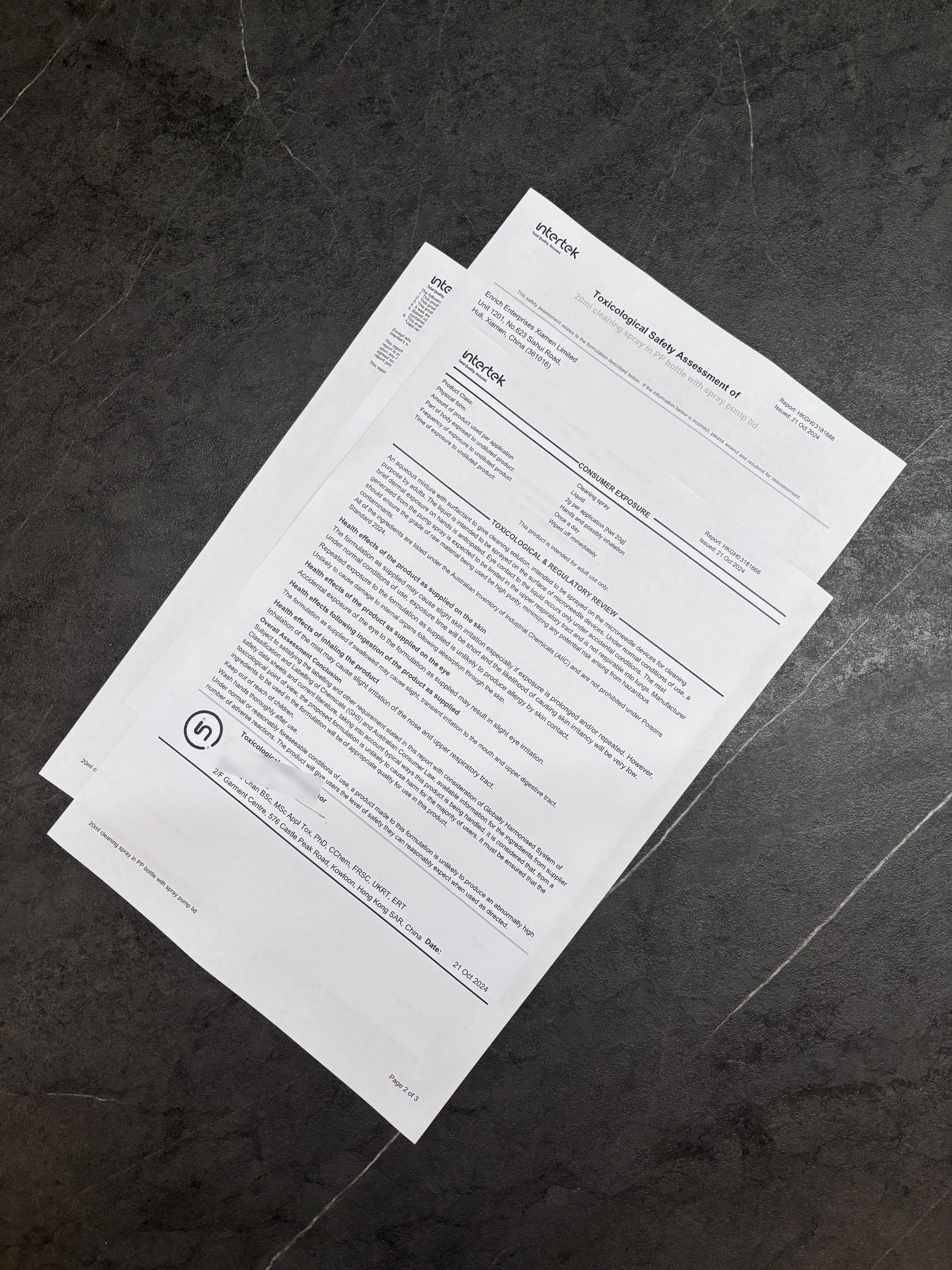
The document package depends on the product and where it will be sold. Typical documentation may include the INCI list, product specification, SDS where applicable, COA, raw-material compliance information, stability and microbiological test reports, and other supporting documents required for safety assessment or market filing.
We confirm the required document list at the beginning of the project rather than applying the same package to every product.
We provide the formula, raw-material information, test reports, manufacturing information and other technical data needed to support the CPSR and PIF.
The CPSR itself must be completed and signed by a qualified safety assessor, while the PIF is maintained by the EU Responsible Person. We can work with your appointed RP or safety assessor and respond to technical questions or additional document requests during the assessment.
There is no single test package for every cosmetic product. Requirements depend on the formula, product type, packaging, claims and target market.
For a typical cosmetic, this may include stability and compatibility testing, microbiological testing and, where applicable, preservative challenge testing. Products with specific claims or regulatory classifications — such as sunscreen or certain children's products — may require additional testing.
We identify the expected testing program during development so that it can be built into the project timeline and cost before production.
Yes, but we first define the exact destination market because requirements are not interchangeable between countries.
For markets such as the UK, Canada, Australia and others, we review the formula and documentation requirements against the applicable local framework and identify any additional testing, labeling or documentation needed. Where a local Responsible Person, importer, notification or third-party assessment is required, we clarify that responsibility before production.
Yes. Once the destination market is confirmed, we can review your artwork for required product information and flag missing or potentially non-compliant items before printing.
Depending on the market and product, this can include the ingredient list, net contents, warnings, directions, age recommendations, Responsible Person or importer details, country of origin, batch information and required local-language text. We can also flag claims that may change the product's regulatory classification.
Final artwork approval remains with the brand and, where applicable, its Responsible Person or local regulatory representative.
We've helped indie brands take products from formulation through compliant market launch — including a fungal-acne-safe line cleared across 12+ SKUs. See how we help brands launch products →
Start a conversation.jpeg)